


Background:
Car enthusiasts often rely on aftermarket vendors’ claims. But without evidence, these claims can mislead buyers. Here’s how one ad illustrates the problem.
FTC Standards:
The United States Federal Trade Commission publishes guidelines for businesses to follow
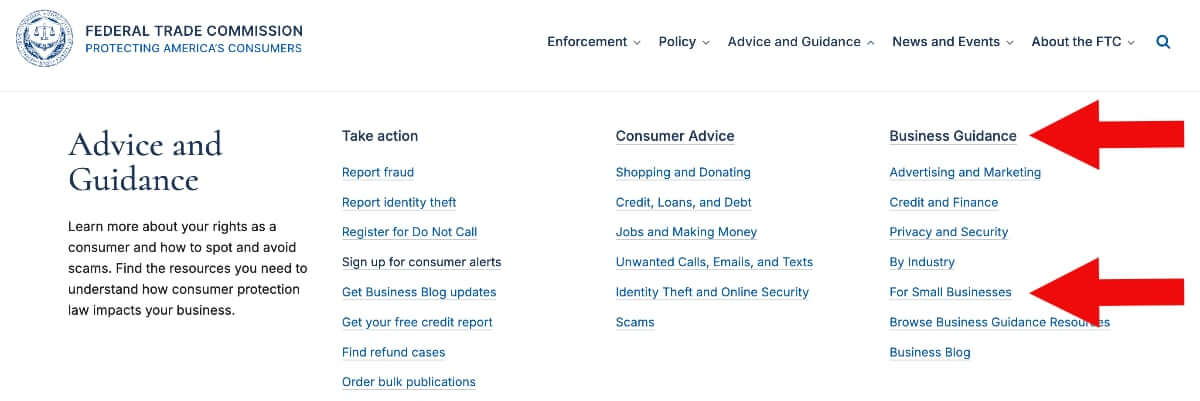
Under U.S. law, advertising must be truthful and non-deceptive. When an ad makes objective or measurable claims (including implied claims), advertisers must have a reasonable basis — objective evidence supporting the claim — before running the ad. (For more detail, see the FTC’s advertising FAQs and its Policy Statement on substantiation.)
Advertising Claims:
The following advertisement is for an intercooler resold by Equilibrium Tuning, from the manufacturer do88.
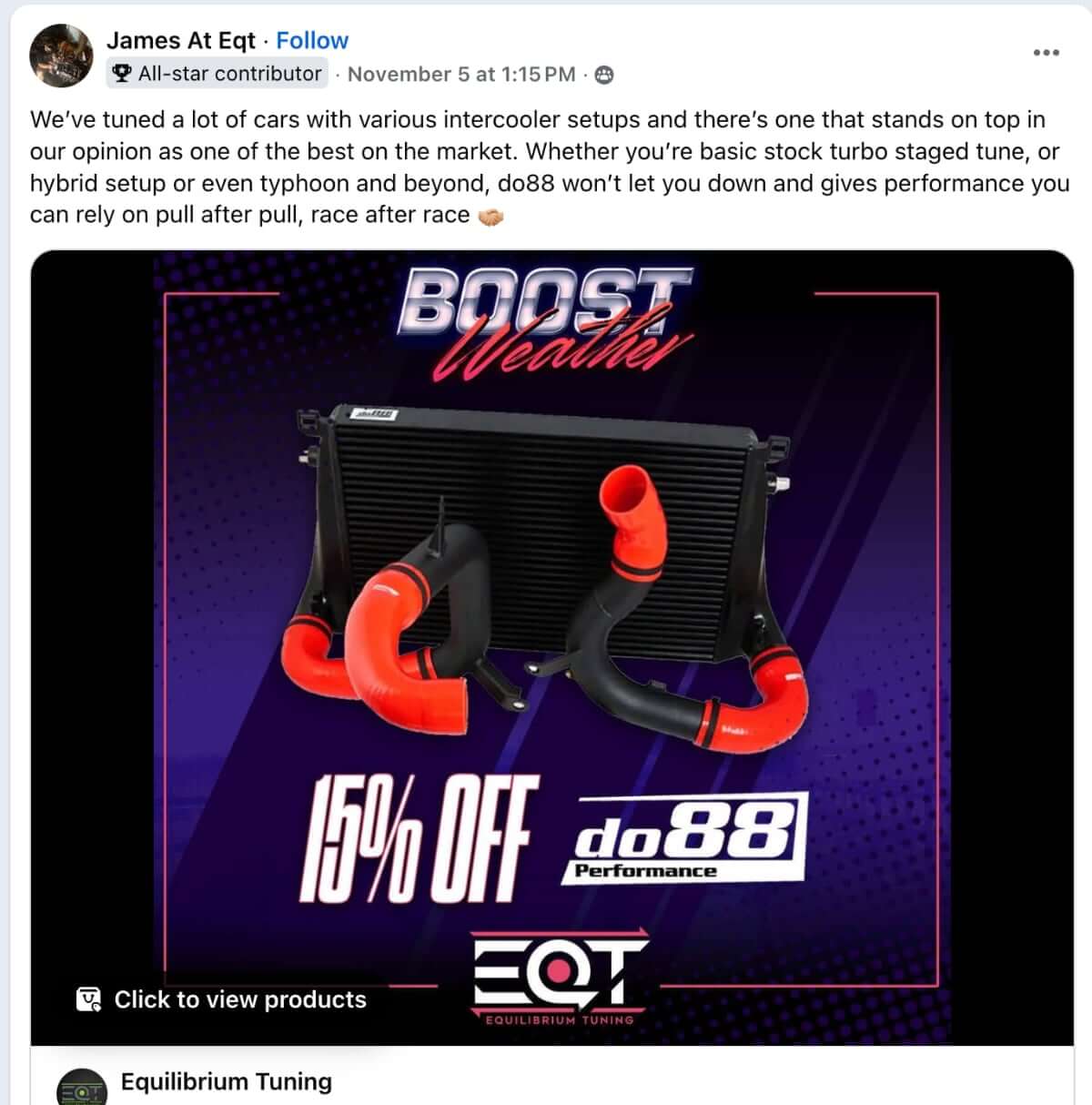
The ad uses enthusiastic language and several implied performance claims. Below I explain the objective interpretations a reasonable consumer may draw, and the kinds of substantiation that would be expected to support them.
Breakdown:
The first claim –
“We’ve tuned a lot of cars with various intercooler setups…”
James At EQT
Tuning experience ≠ controlled intercooler testing. The phrase “We’ve tuned a lot of cars with various intercooler setups” is at best anecdotal and at worst misleading when used to imply rigorous comparative testing or verified product superiority.
Tuning lots of cars isn’t the same as conducting controlled intercooler comparisons. EQT fails to post the same-car before/after dyno logs, IAT logs with ambient temps, and the intercoolers they compared with — lacking evidence, this is anecdote.
“there’s one that stands on top in our opinion as one of the best on the market.”
James At EQT
Comparative/superiority claims (“one of the best” / “top on the market”) — require head-to-head, same-conditions test data.
“There’s one that stands on top … one of the best on the market” is a comparative / superiority claim. Even though it’s framed as opinion, a consumer might reasonably interpret it as meaning this product outperforms all or most other products in its category. That is an objective implication (the product is top-tier) rather than purely “we like it.”
EQT should have evidence supporting that implied superiority. Without such evidence, the claim risks being deceptive. This is a reseller advertising a product they sell (and presumably stand to benefit from customers buying it). Any implied objective claim needs reasonable substantiation.
Implied facts:
The advertisement continues to use implied facts, which undermines the use of the word ‘opinion’.
“do88 won’t let you down and gives performance you can rely on pull after pull, race after race.”
James At EQT
“won’t let you down” and “performance you can rely on pull after pull, race after race” — these are explicit endurance claims that imply repeatable, measurable outcomes (repeatability under race conditions). Those are not mere subjective preference statements.
Repeatability claims (“race after race”, “pull after pull”) — require repeated test runs, environmental/IAT logs, and reliability-type data.
“Whether you’re basic stock turbo staged tune, or hybrid setup or even typhoon and beyond…”
James At EQT
“Whether you’re … hybrid … typhoon and beyond” — implies broad applicability across different hardware/tune levels (a factual compatibility/performance claim).
Wide-compatibility claims (“works with X, Y, Z”) — require documented testing across representative configurations.
Because the ad combines comparative language with specific performance language, a reasonable consumer would likely read it as more than a mere opinion. That means substantiation is required for the objectively interpreted parts.
In our opinion, undermined:
“In our opinion” helps when the whole statement is obviously subjective and non-measurable. But in this ad, the opinion is tied to concrete performance implications, so the phrase is unlikely to protect the company in defending the ad against ‘truth in advertising‘ enforcement.
What matters is the net impression on a reasonable consumer, not the presence of the words “in our opinion.“
EQT can express opinions, but when words like “one of the best,” “won’t let you down,” and “race after race” create an expectation of objective, measurable performance and reliability, those claims require substantiation.
Questions to ask:
Some questions that can be posed to the seller for information about the claims are:
- “Please provide same-car before/after dyno logs with the same tune and ambient conditions documented (IAT, ambient temp).”
- “Please provide the test process and the identity of the comparators (which intercoolers were compared and under what conditions).”
- “Do you have repeated-test data showing performance over multiple runs (show IAT logs and run-to-run variance)?”
Without data, you can’t know if this intercooler really performs better than other alternatives you may be considering.
Consumer takeaway:
Equilibrium Tuning’s advertisement suggests the company has poor transparency, lacks substantiation, and shows little regulatory awareness.

The use of confident, energetic language can motivate purchases, but knowledgeable buyers and anyone evaluating claims seriously should keep in mind that the ad reads like sales copy from hobbyists, not a technically substantiated product endorsement from a test-oriented vendor.
Additional example:
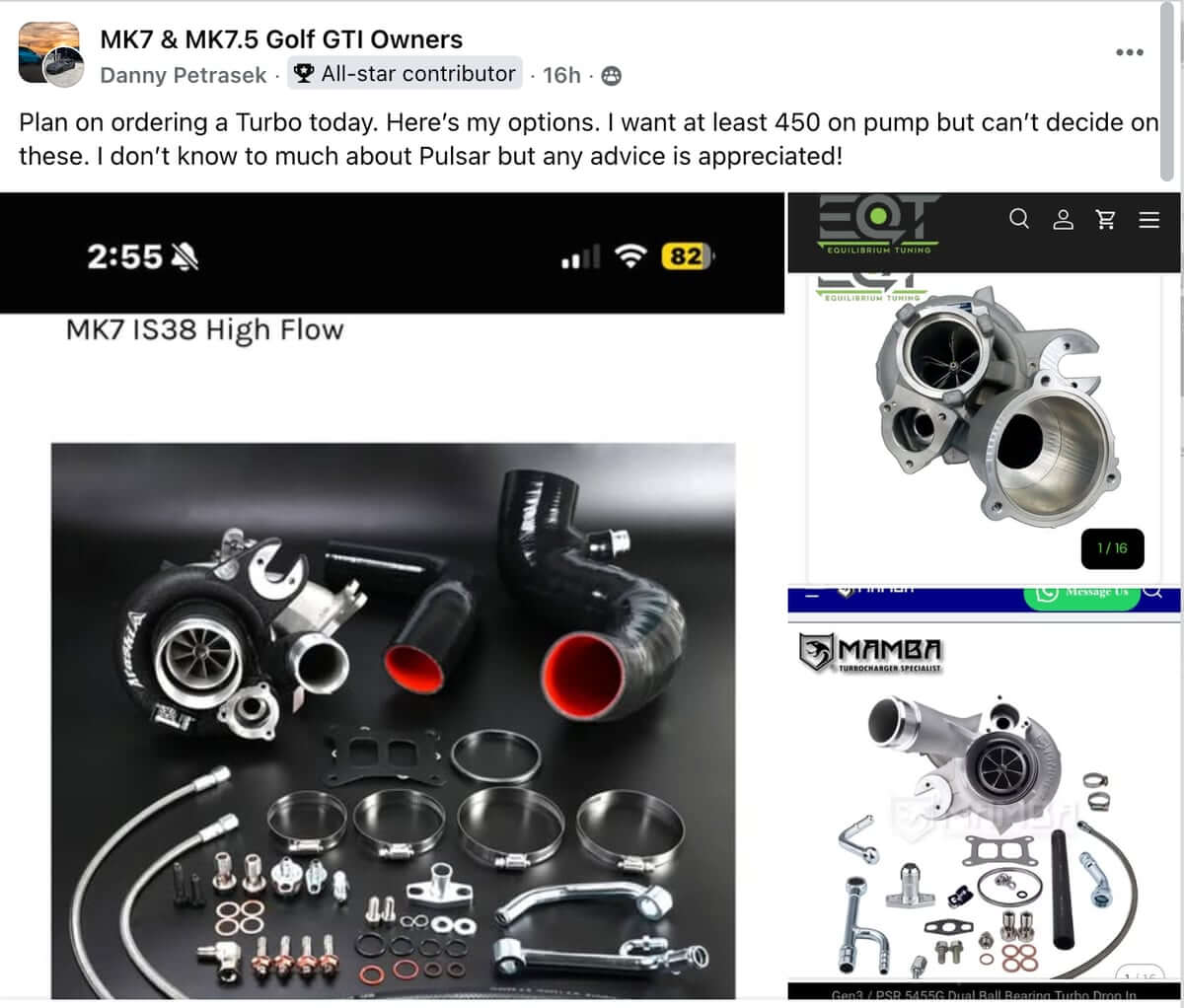
Not long after this post went up, representatives from Equilibrium Tuning generated comments that follow the same pattern.
Here’s another example of a comparative + implied-performance marketing claim wrapped in technical-sounding language, but it provides no objective evidence.
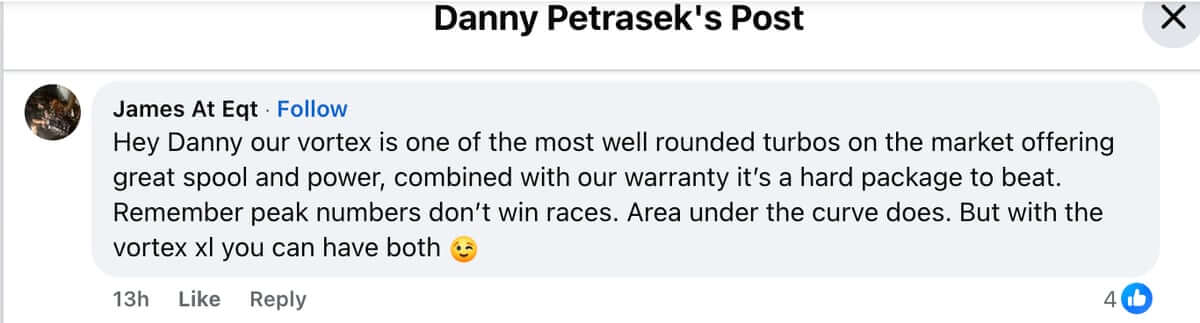
Readers should treat it like the other unsubstantiated claims until test data are provided.
Comparative claim: “one of the most well rounded turbos on the market” asserts superiority vs. competitors.
Concrete performance assertions: “great spool and power,” and “with the Vortex XL you can have both” assert measurable performance characteristics.
Technical framing to persuade: invoking “area under the curve” makes the claim sound technical and authoritative, thereby increasing the expectation of hard data.
No evidence provided: none of this is accompanied by head-to-head dyno curves, boost curves, test procedures, or documentation that would substantiate it.
The owner of Equilibrium Tuning, Ed Susman, engages in the same as his employee:
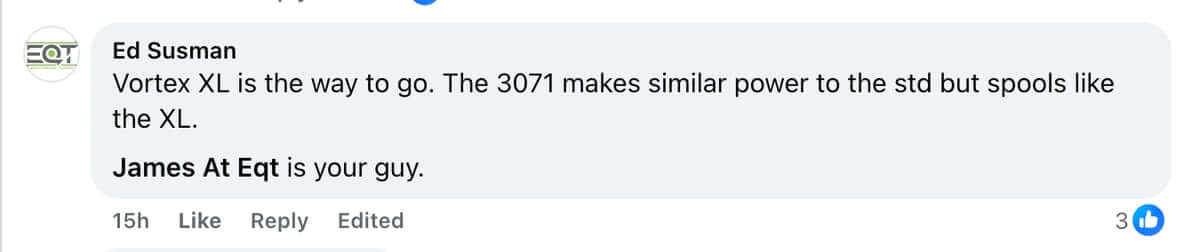
This is a comparative and implied-performance claim made by a seller participating in a consumer discussion.
Because Ed Susman is a product seller, readers reasonably expect the statement to be supported by demonstrable test data. Absent substantiation, the statement should be treated as an unproven marketing claim.
Repeated similar claims from the owner and his employee create the impression of coordinated marketing rather than isolated opinion. That raises the bar for substantiation that should be supported by evidence and disclosure.
