Background:
The MGM7 intake that I have been working on is not far enough along in development to thoroughly separate the air filter from the engine compartment air. This is due to my reuse of the Racingline R600 airbox, whose lid does not fit around the MGM7s Vibrant cone air filter.
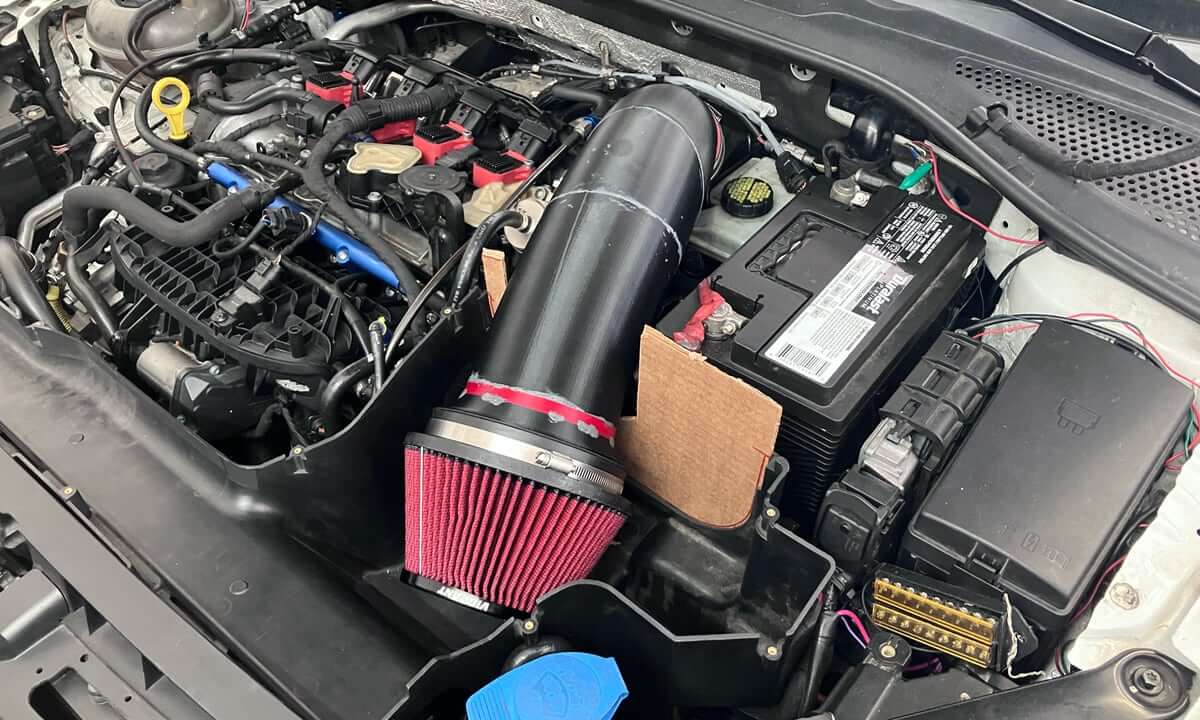
This prompted me to consider how I could improve the Racingline-to-Shuenk inlet hose setup, likely by replacing the Shuenk inlet hose.
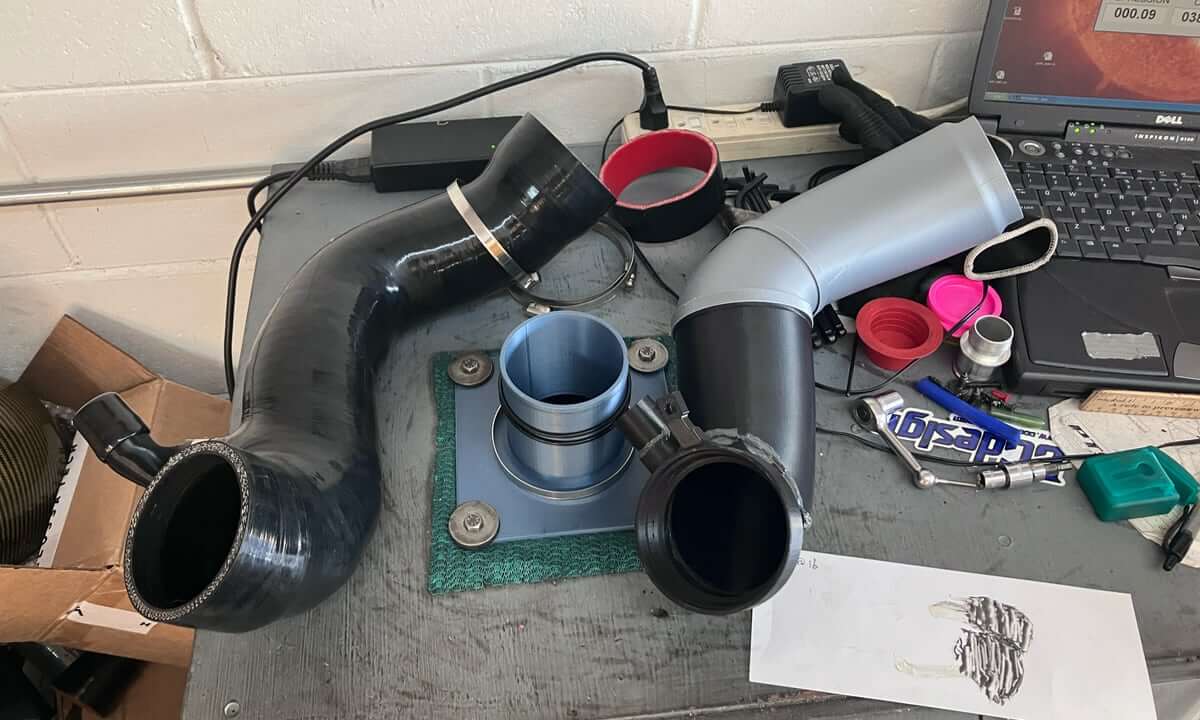
To this end, I have an inlet elbow ready and just need to fabricate an inlet pipe to connect to the R600 air filter.
New part:
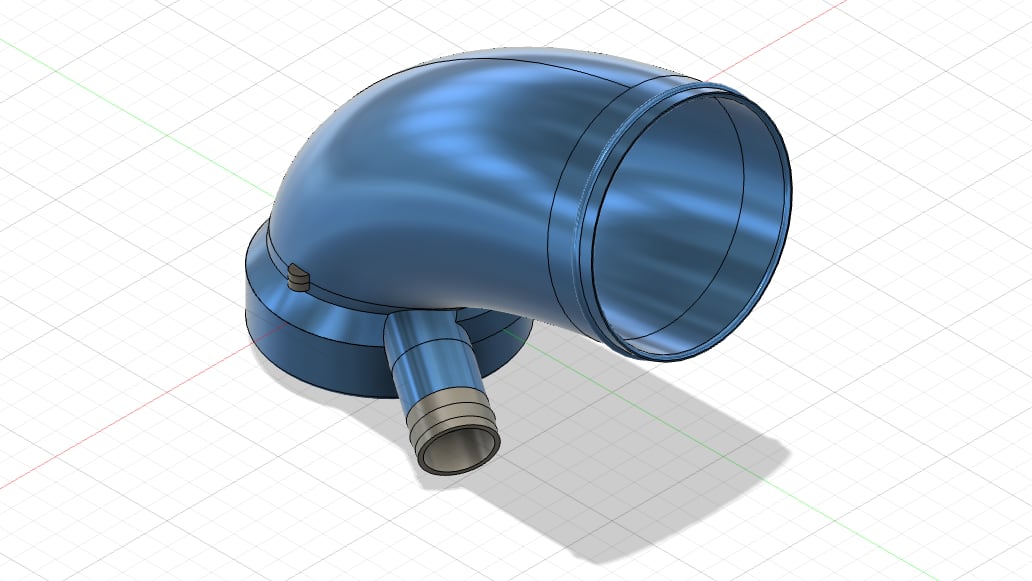
There are still some small tweaks to the inlet pipe to be made, but it is close to complete.
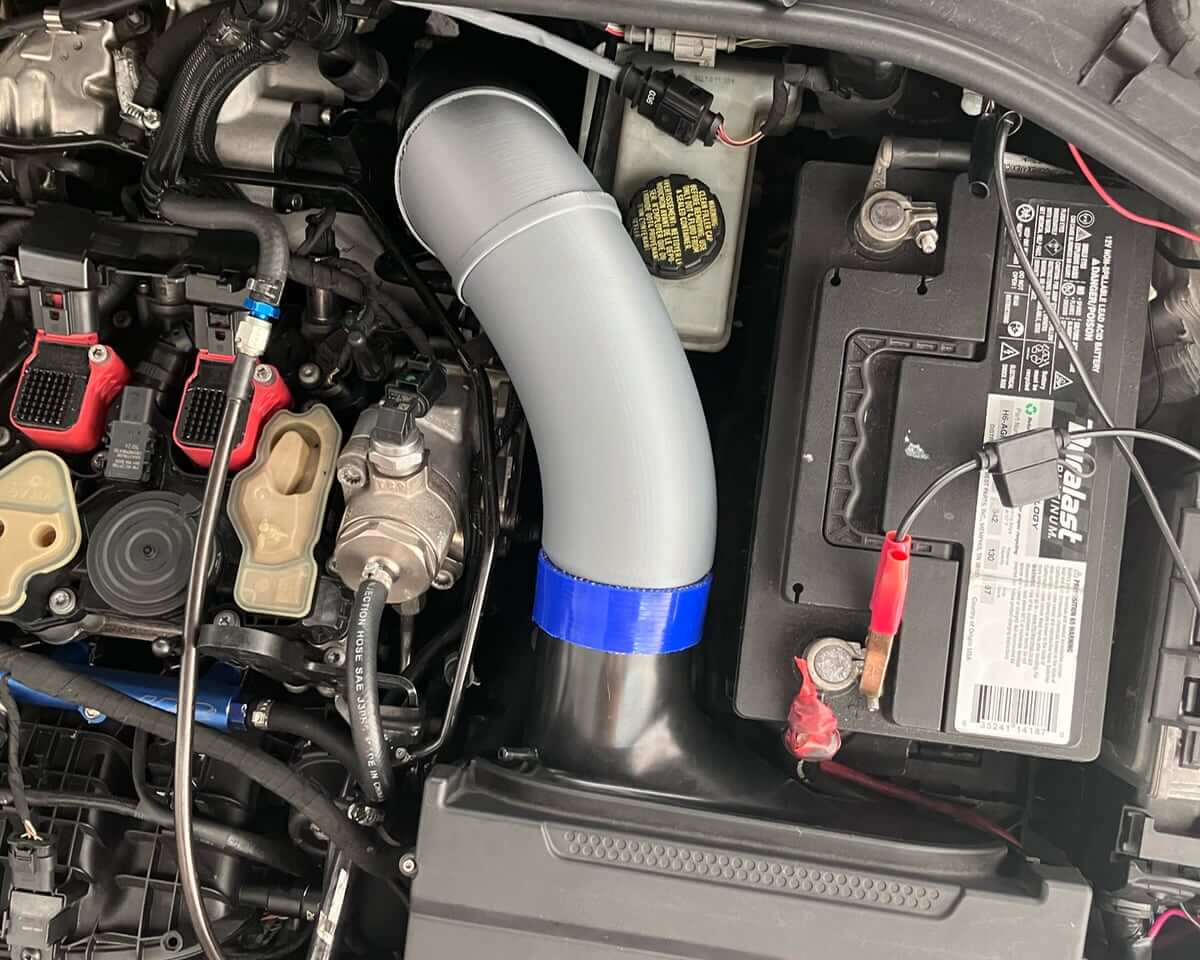
The turbo inlet elbow has a 3.5″ opening, so the inlet pipe begins with a 3″ diameter opening at the R600 filter and expands quickly to 3.5″.
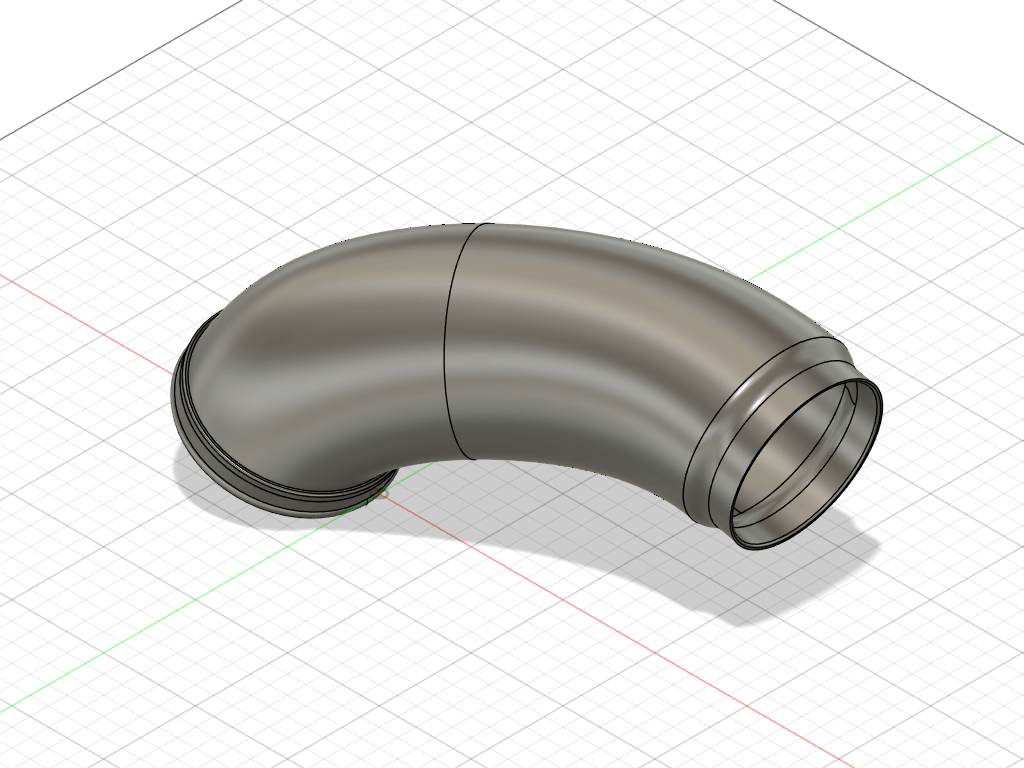
The goal is to reduce air velocity through the pipe bends.
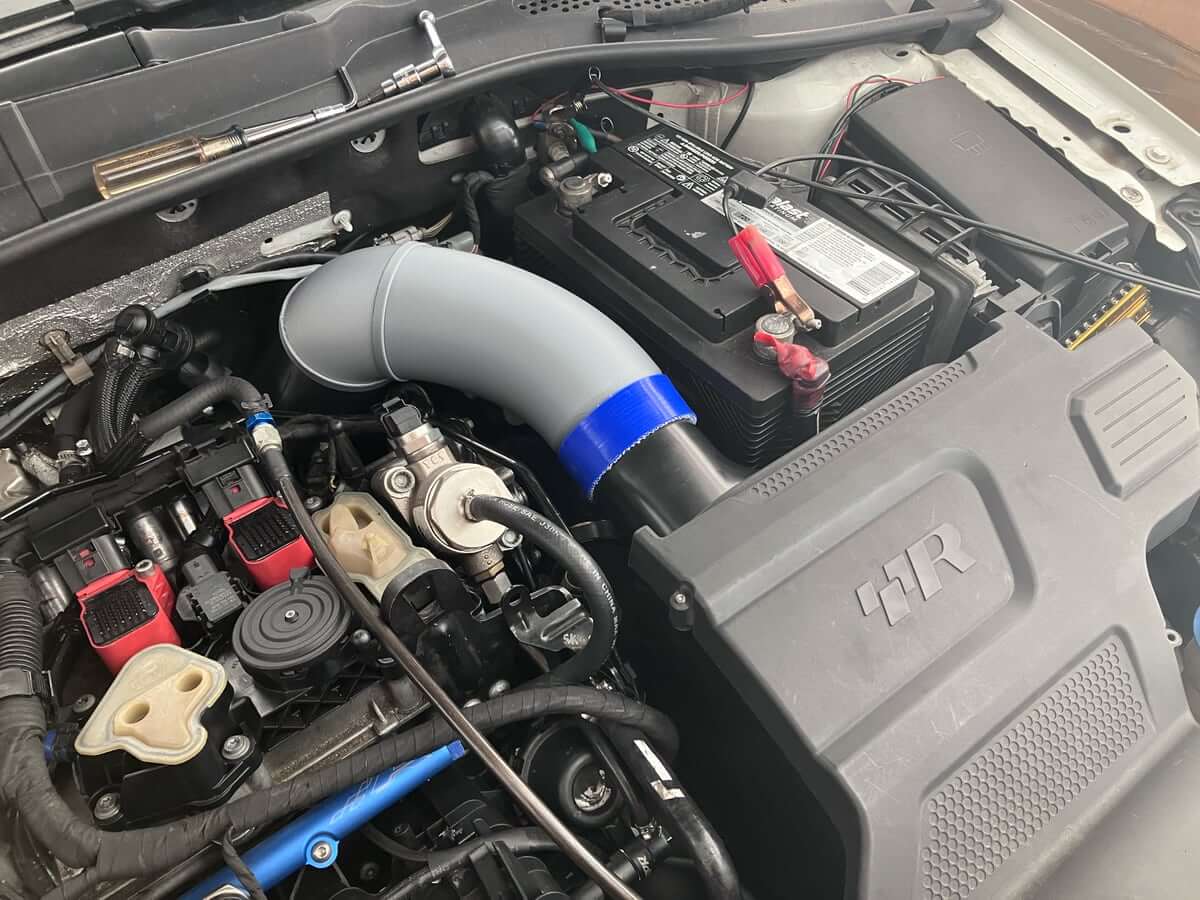
Flow Test:
Since the part fits o.k., the next step was to check whether there is a performance increase. No point in swapping parts if it doesn’t improve airflow.
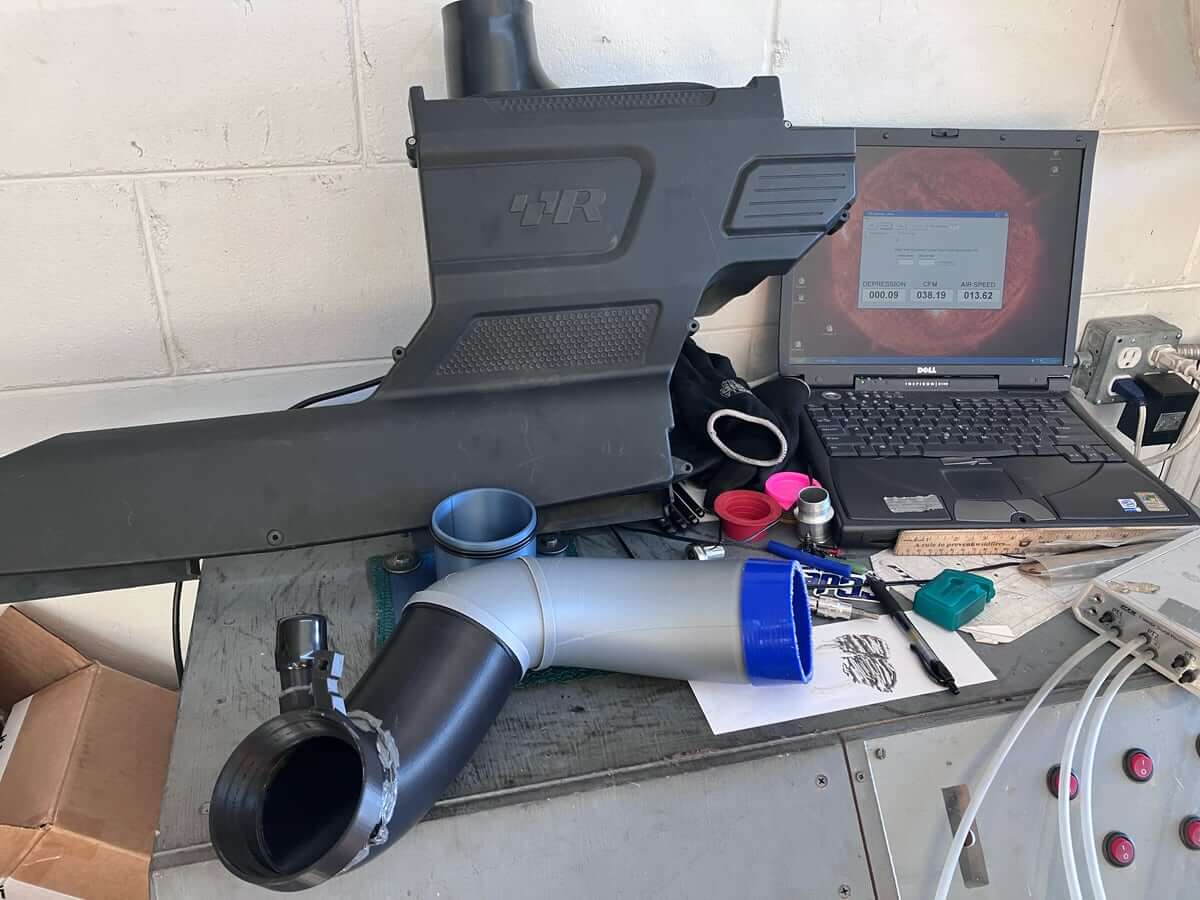
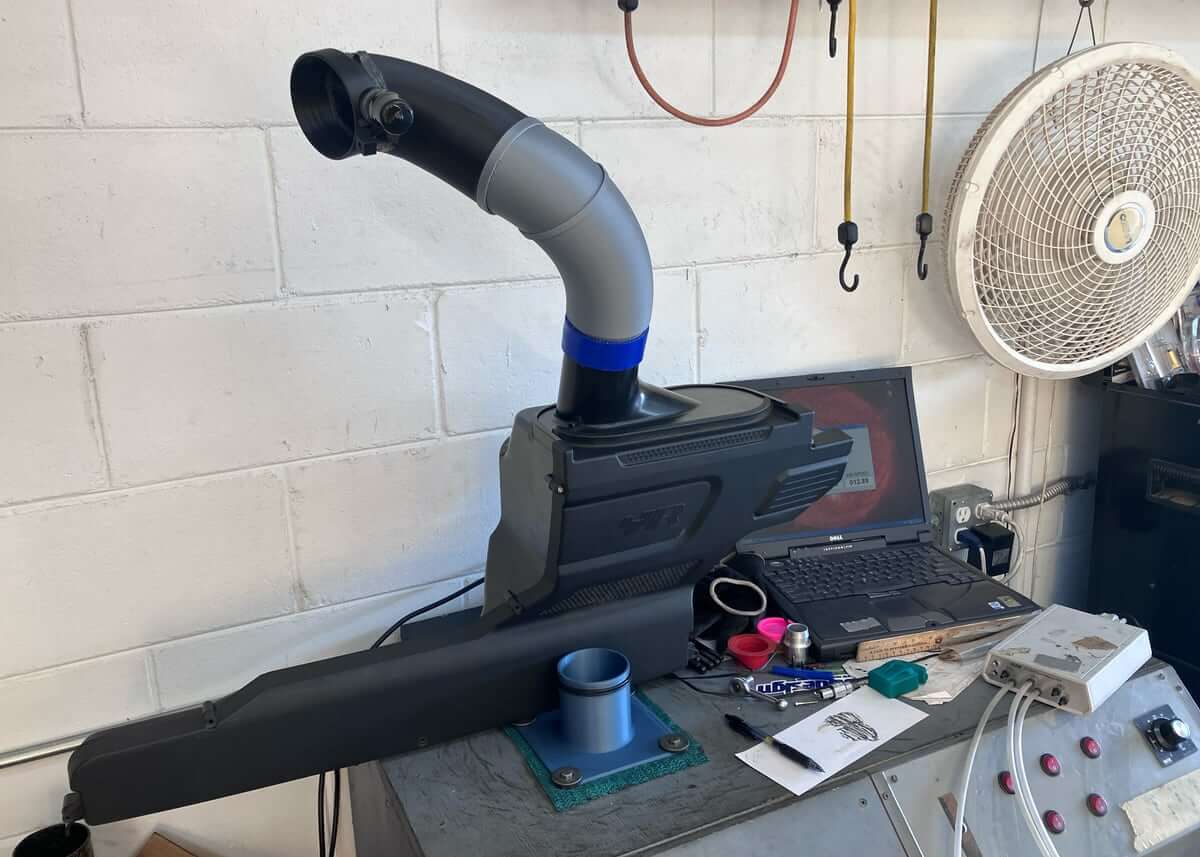
The Shuenk inlet hose is tested to establish baseline system performance.
The assembled R600 intake is attached to the inlet pipe and TIP, and the full system is connected to the flow bench using an adapter that simulates the inlet of the Shuenk IS48 turbocharger (with an anti-surge ported shroud compressor inlet).
Test Results:
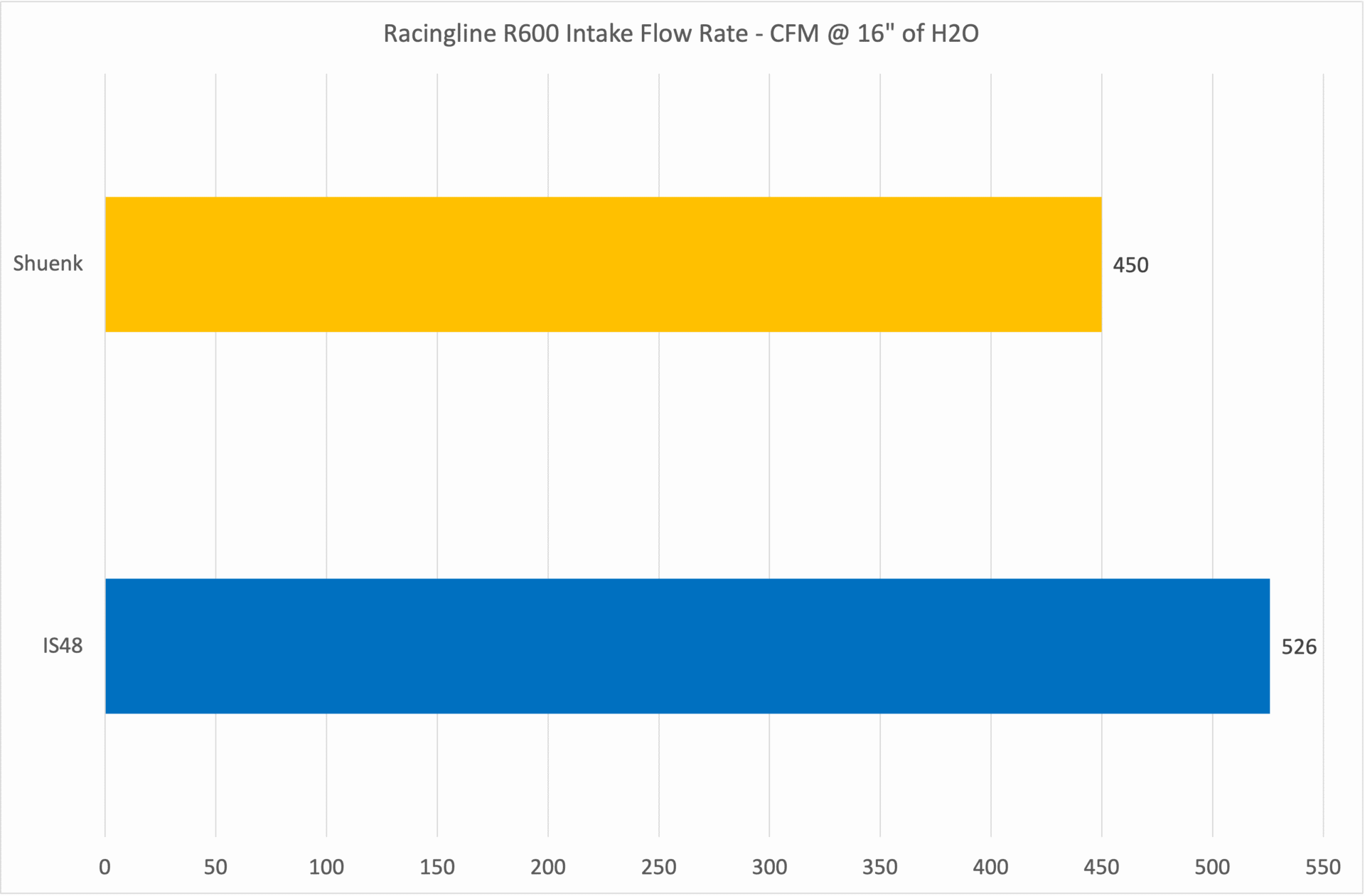
The alternate intake setup (MGM7 TIP and Pipe) flows 526 CFM @ 16″ of H2O.
This is approximately a 17% increase over the R600 with the Shuenk silicone inlet hose.
Next:
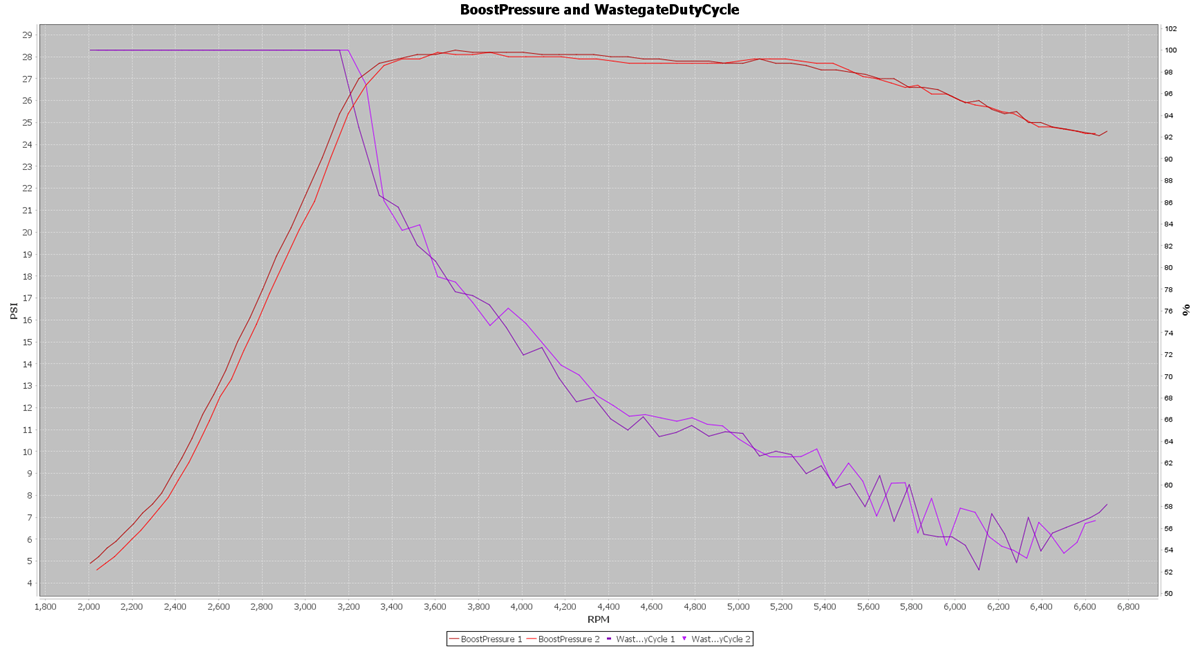
Recording wastegate duty cycle (WGDC) data on the street is the next step for the inlet pipe, after incorporating a couple of small changes and printing it with a more heat resistant matieral.
Given the already low WGDC of the current setup, I don’t expect much improvement. A 2-3% reduction would make me happy.