

Background:
Black Forest Industries (BFI) has been selling MQB engine and transmission mounts for several years, at least since 2018. These mounts have been routinely recommended by consumers and benefit from widespread brand recognition in the Mk7 community.
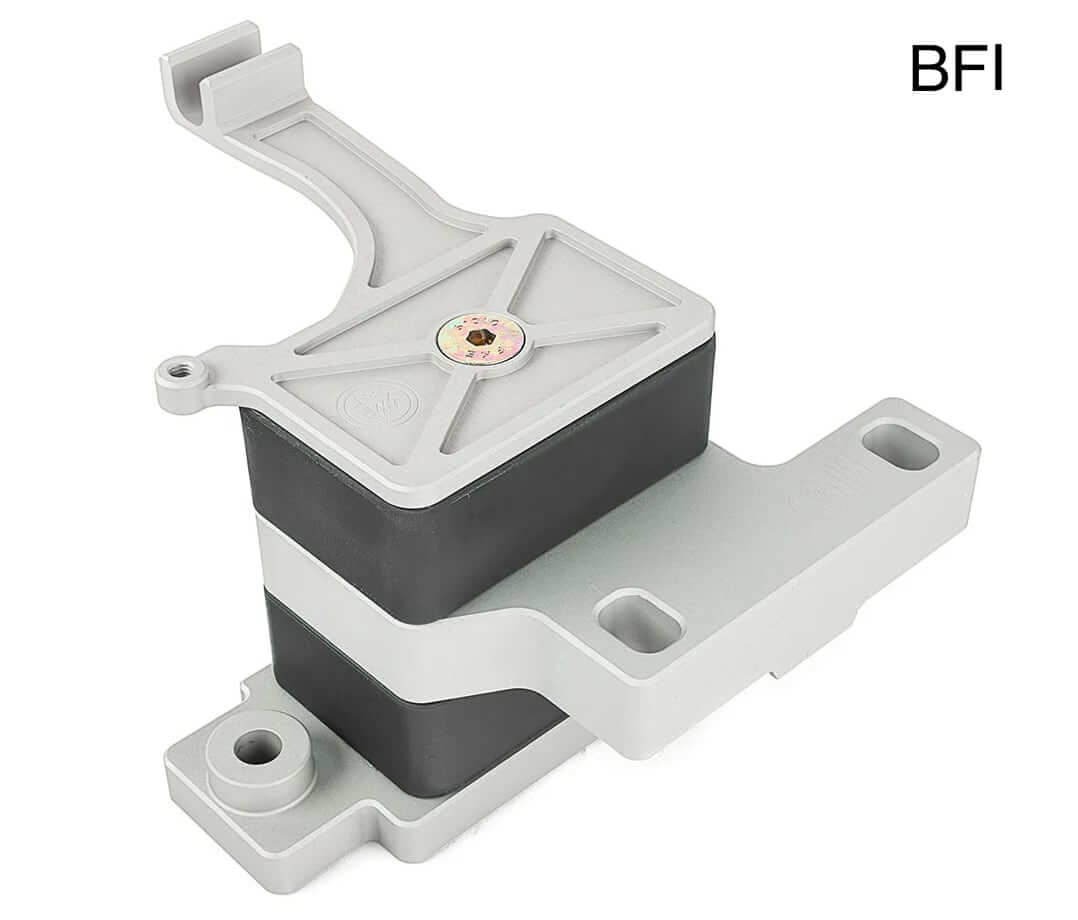
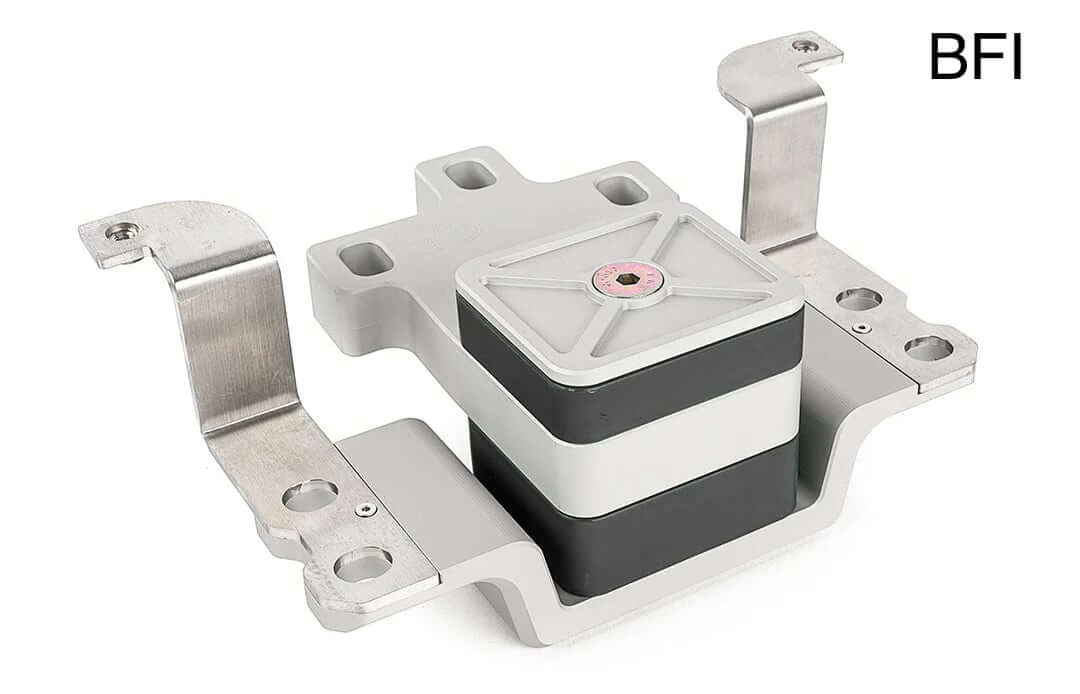
The mounts feature a layered rubber-and-aluminum insert design and distinctive billet aluminum bracket geometry.
Competitive Landscape:
The Mk7 marketplace contains multiple competing engine and transmission mount products that solve the same engineering problem through visually distinct designs.
Looking at images of similar products sold by 034Motorsports, Custom Performance and Engineering (cp-e), ECS Tuning, and Racingline, it’s clear that independent engineering teams have approached solving the problem in different ways.
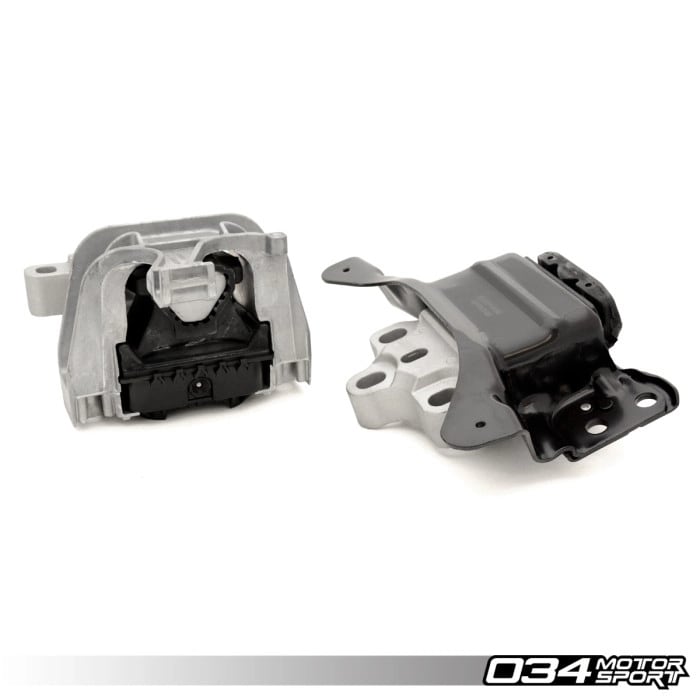
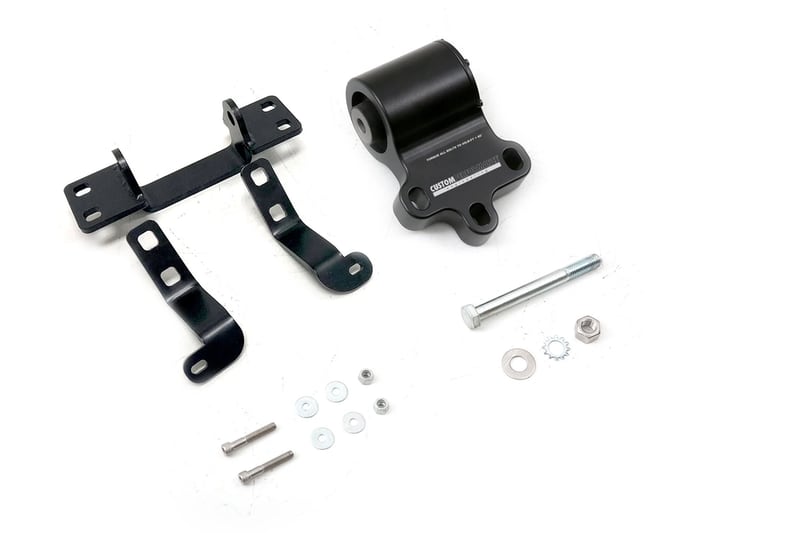
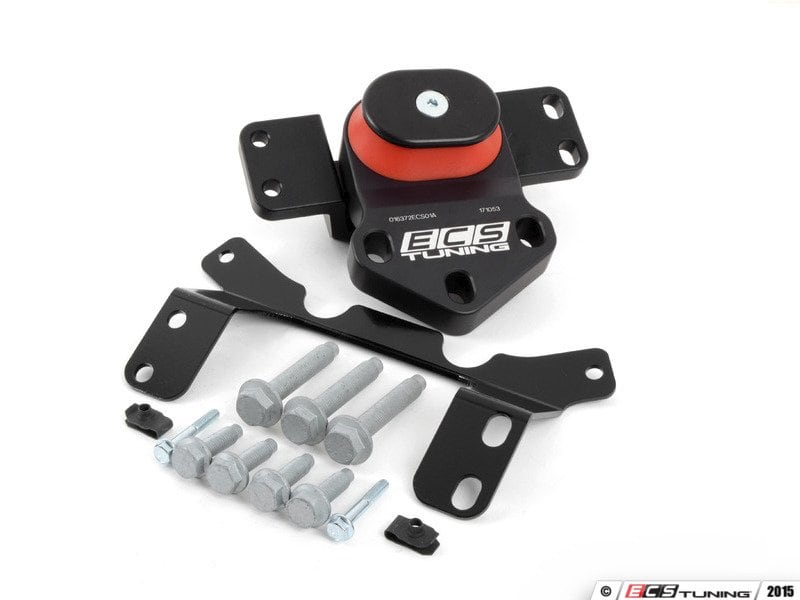
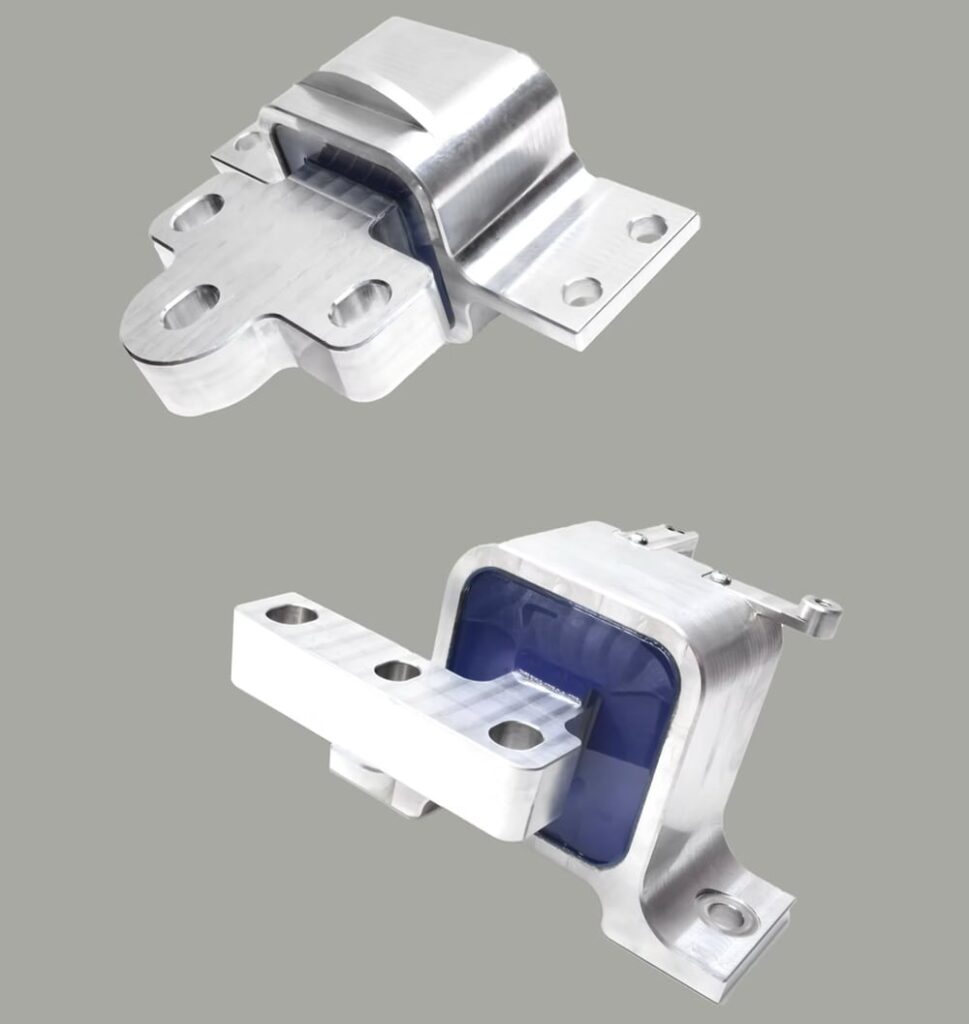
This competitive landscape, comprising products from BFI, ECS Tuning, 034Motorsport, cp-e, and Racingline, demonstrates design diversity in the marketplace.
EQT Product Announcement:
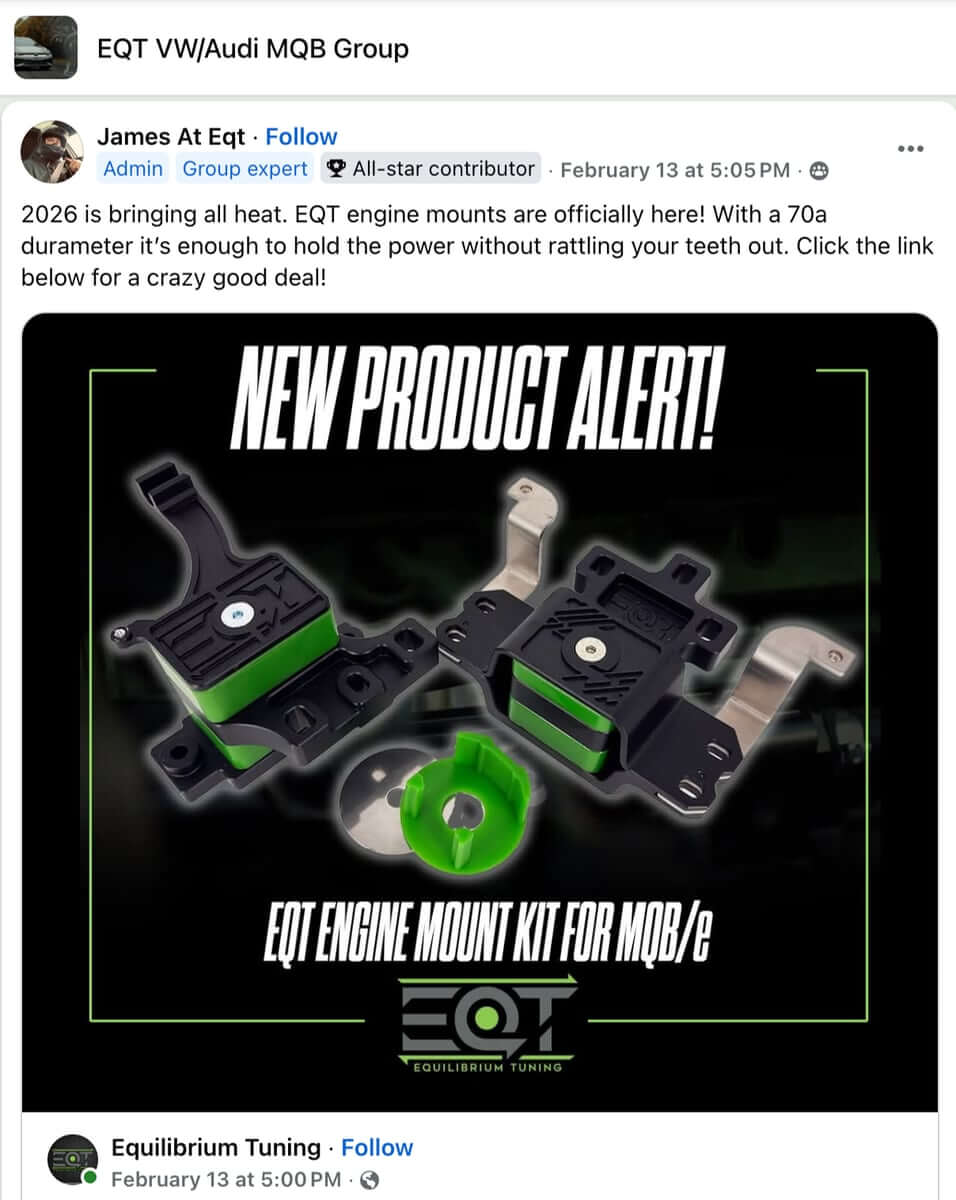
Recently, I came across a “New Product Alert” from Equilibrium Tuning, a primarily catalog-reseller company. The “new product” shown in the EQT advertisement bears striking visual and specification similarities to BFI’s products.
Evaluation:
The BFI mounts and new EQT mounts both feature BFI’s characteristic layered rubber-and-aluminum insert design, distinctive bracket geometry, and overall form factor.
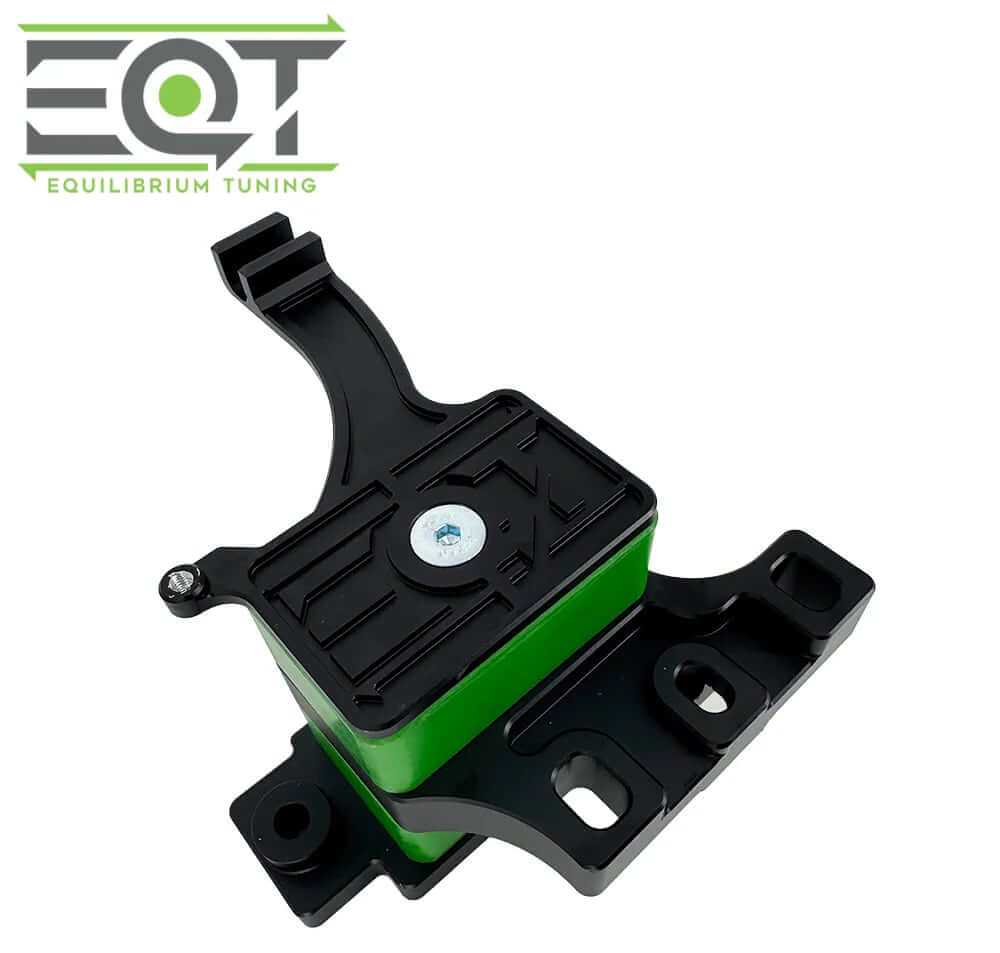
They share remarkably similar overall geometry, bracket profiles, rubber insert placement, and structural layout, differing primarily in color scheme (black and green vs. BFI’s silver/gray palette) and surface branding/texture details.
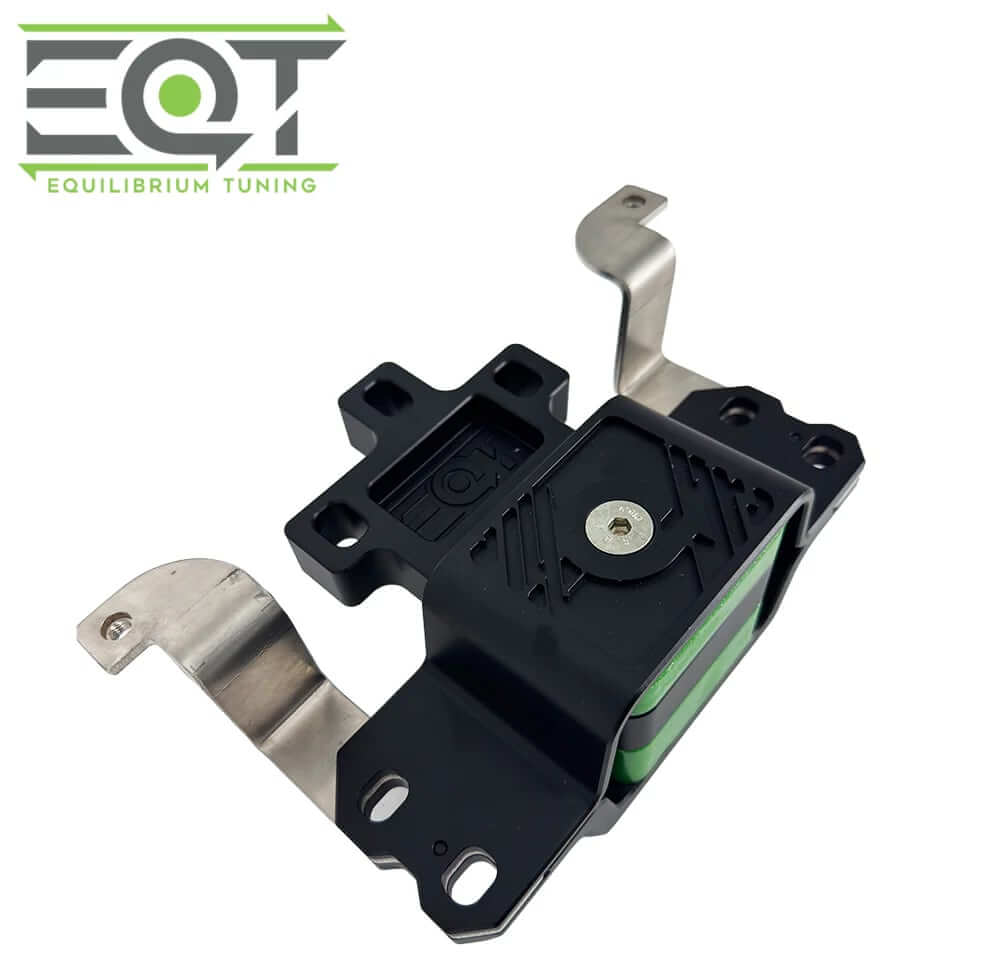
Lastly, the BFI Stage 1 mounts use 70A durometer bushings, and the new EQT product has reached the same conclusion, using 70A durometer bushings.
The EQT business model as a catalog reseller is important to keep in mind when assessing whether these two products originated through independent engineering processes.
When you’re trying to determine whether two things share a common origin, you look for independent corroborating data points. A single similarity proves little. Two similarities are suggestive. When you have five or more similarities spanning visual design, dimensional geometry, and material specification (durometer), the hypothesis of independent development becomes increasingly difficult to sustain.
Consumer Implications:
Here are six companies solving the same problem. Five of them came up with five different solutions. One of them (EQT) came up with a solution that looks remarkably like another company’s (BFI) established product. What does that tell you?
ECS, 034Motorsport, CP-E, Racingline, and BFI each invested in independent engineering efforts, and each brought something genuinely different to market. That competition benefits consumers through design variety, different performance tradeoffs, and choices between meaningfully distinct products.
When one market participant shortcuts that process by closely replicating an existing design, they are not competing in that healthy sense; they are extracting value from it without contributing to it.
Engineering Analysis of Available Evidence:
BFI invests in engineering, testing, and validation. An unnamed third-party manufacturer copies that design, incurring only manufacturing costs. EQT sources from that manufacturer, incurring only procurement and marketing costs. EQT then sells to consumers who may believe they are purchasing a product backed by EQT’s engineering expertise. BFI receives no compensation at any point in that chain, despite its R&D being the foundation of the entire value proposition.
This is a multi-party free-riding arrangement in which the original innovator (BFI) is the only party not extracting value from its own investment.