
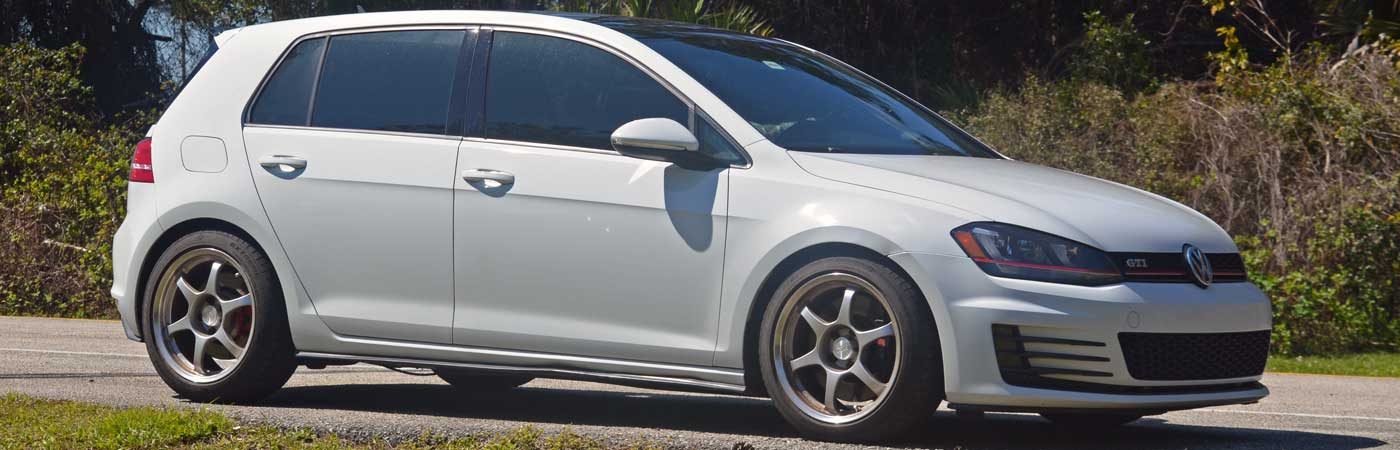
Background:
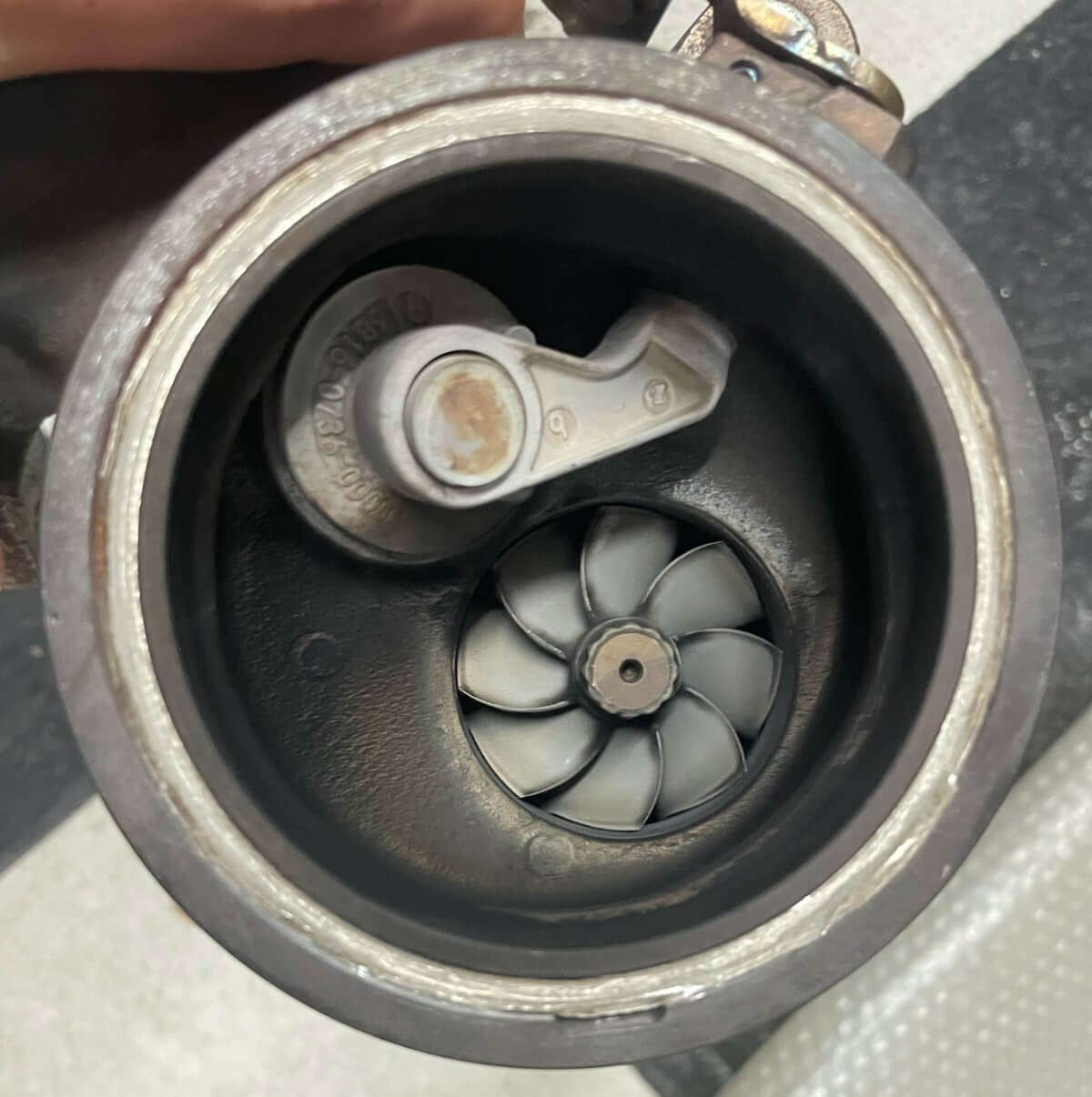
The Shuenk IS48 turbocharger that I have been using with the GTI for almost a year (installed in July 2025) is built on the idea of pairing a slightly larger compressor wheel with the IHI IS38 hotside (shown below) to deliver tuned IS38 boost levels at lower rotational speeds. The aim is to increase the turbocharger’s service life by reducing bearing loads.
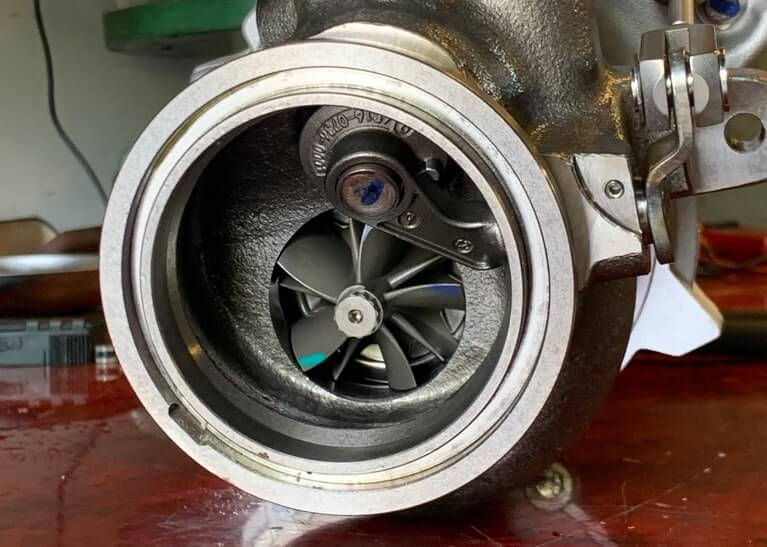
I’ve been interested in seeing how much boost pressure the turbocharger can generate, which led Shuenk to propose that I try a modified IS48 with a turbine wheel featuring a blade-and-splitter design (shown below), a combination more commonly found on the compressor side.
With the goal of this change to allow greater exhaust gas flow through the turbine, I decided to measure the flow rates through a couple of turbochargers I have to see whether these measurements correlate with any changes recorded using the GTI. I am starting with the IHI IS20 turbine housing.
Adapter development:
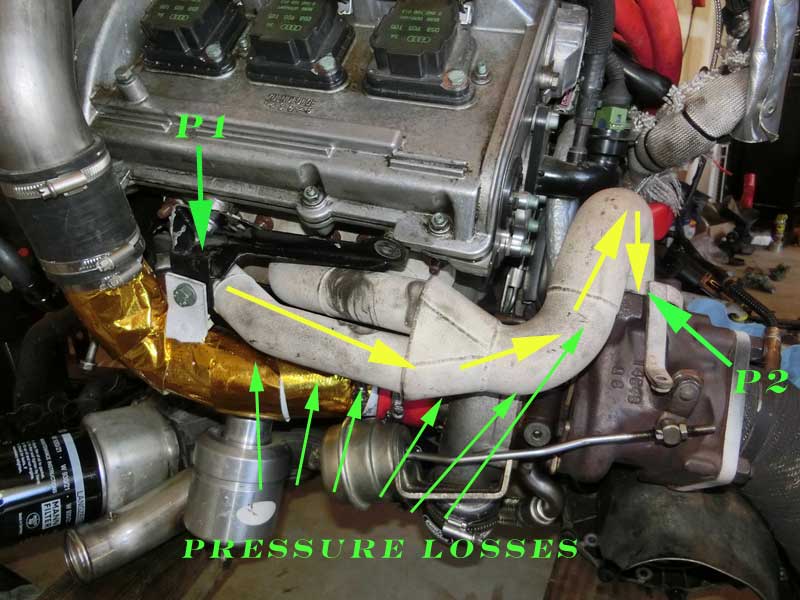
I haven’t tested any Mk7-fitting turbochargers – a number of years ago I did similar flow tests followed by measuring the exhaust gas pressure with my Audi B5 S4, shown below.
Since this was a new effort, I needed to develop a pair of adapters to attach to the turbocharger.
The first adapter is to smooth the airflow into the turbine housing.
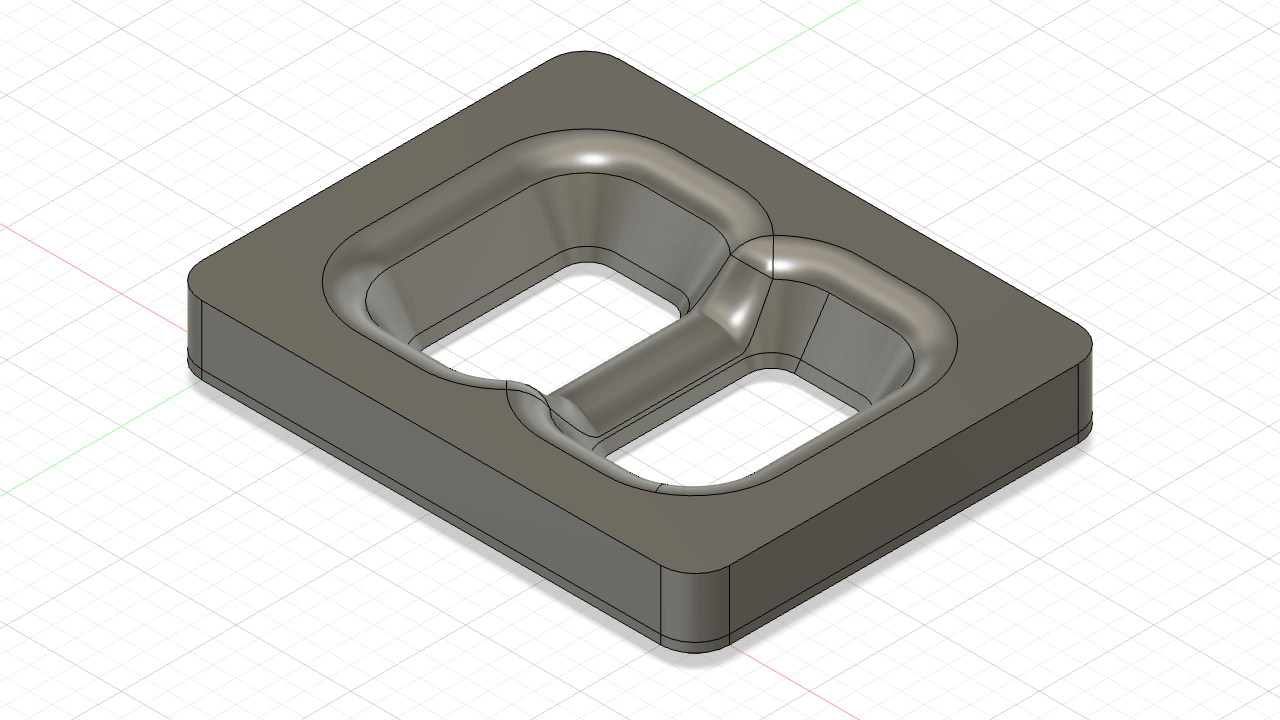
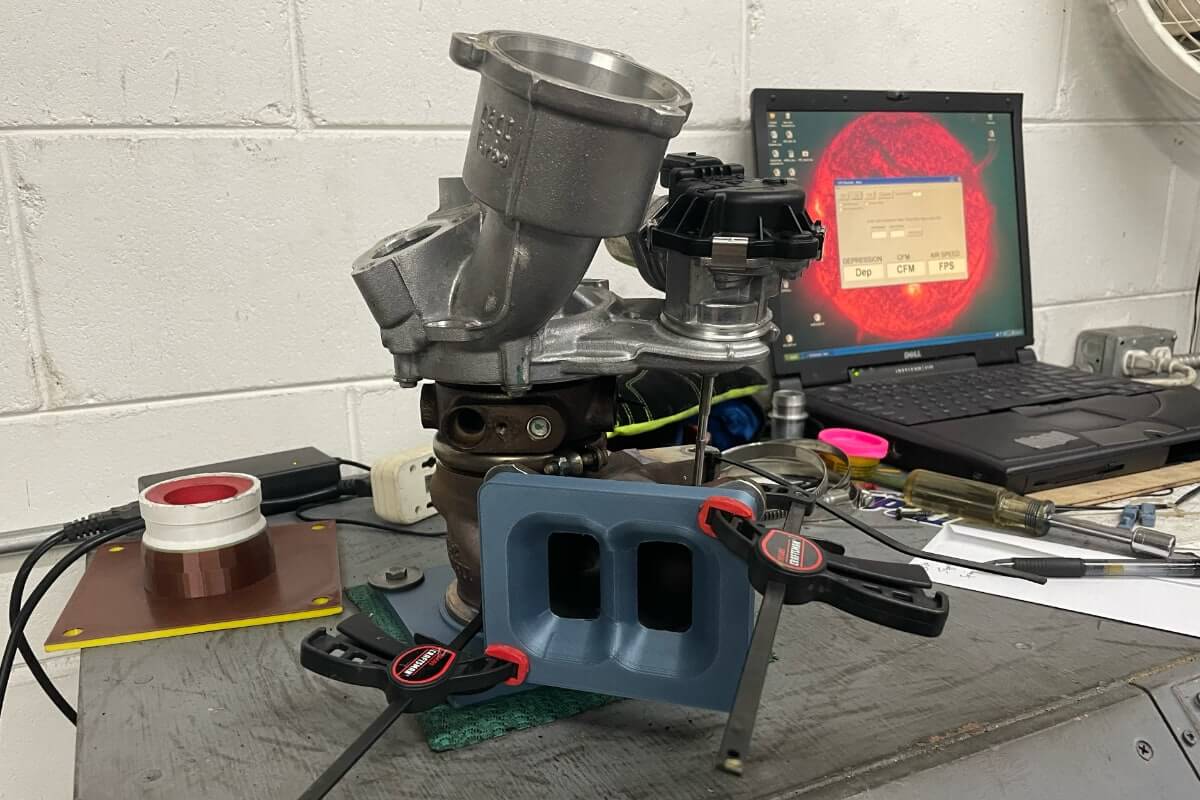
This adapter has pegs that align with the holes on the turbine housing and is held secure with a pair of clamps.
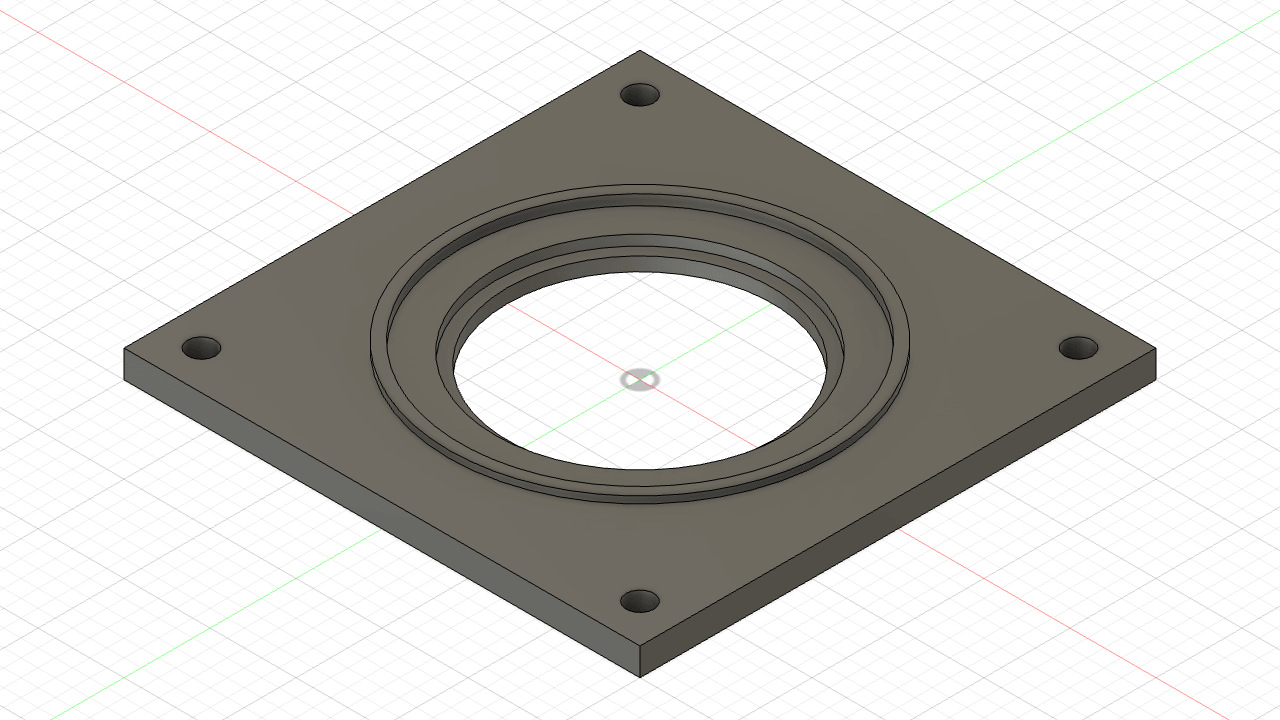
At the outlet side, there is an adapter that the turbine sits in, which seals the turbine housing to the flow bench
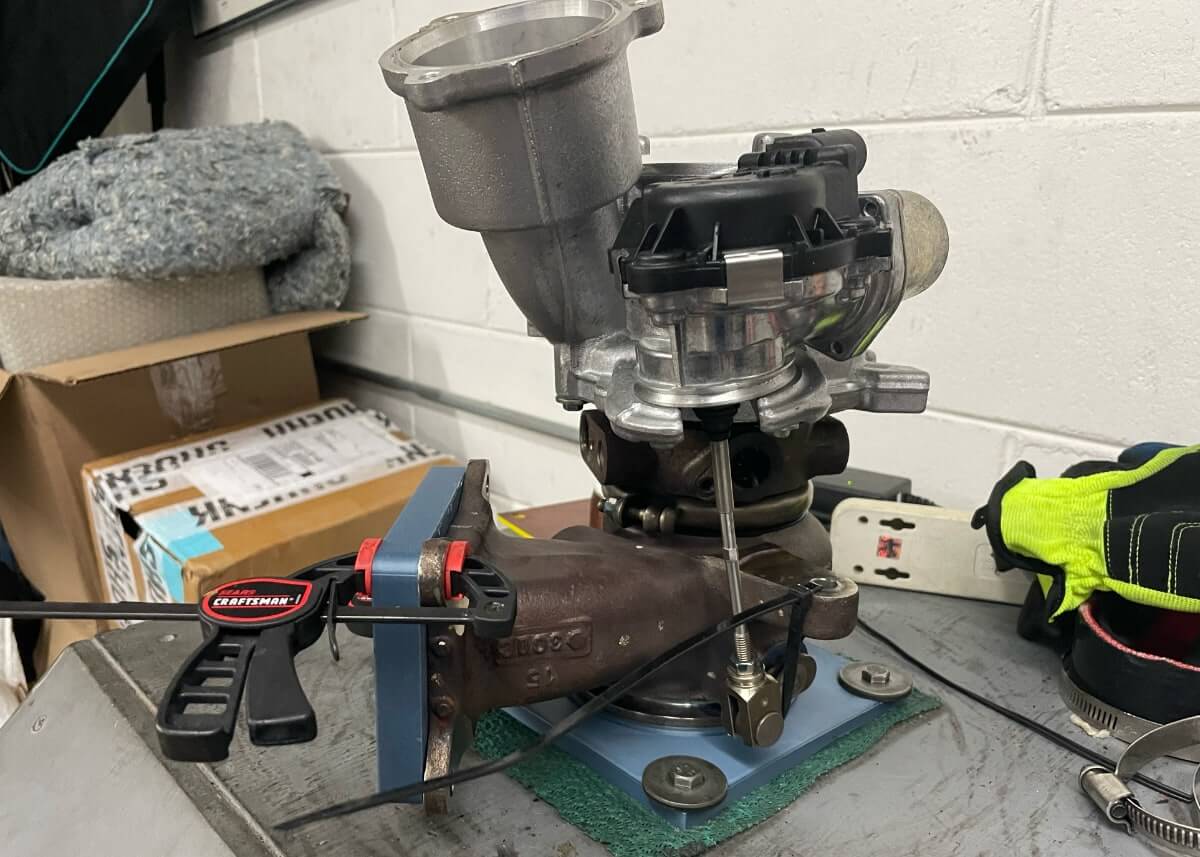
The IHI IS20 turbo sitting in the adapter on the flow bench is shown below.
Test Procedure:
The turbocharger wastegate door is held shut by securing the door’s arm with a zip tie. The turbocharger is then set on the adapter, and the inlet adapter is secured in place.
The turbocharger is tested in two states: one with the turbine wheel held stationary, and the other with it free to spin. The bench is operated at a depression of 28″ of H2O, and the flow rate through the turbine is measured in units of cubic feet per minute (CFM).
Test Results:
The flow rates through the IS20 turbine housing at 28″ of H2O depression are as follows:
- Stationary turbine wheel – 92 CFM
- Spinning turbine wheel – 85 CFM
Conclusions:
Adapters were made to support recording flow bench measurements of airflow rate through the IHI IS20 turbine housing.
The adapter functioned as needed, and the IS20 turbine was found to flow 92 CFM @ 28″ of H2O when the turbine wheel is stationary and 85 CFM @ 28″ of H2O when the turbine wheel is left free to spin.
Next Steps:
Repeating the same test with the IS38 turbine housing and the Shuenk IS48-modified turbine wheel will be the next test of this type.