

Background:
After testing the Velossa Tech intake snorkel for the Mk7 and finding that it had no effect on any measured attributes, I contacted Velossa Tech to make a return.
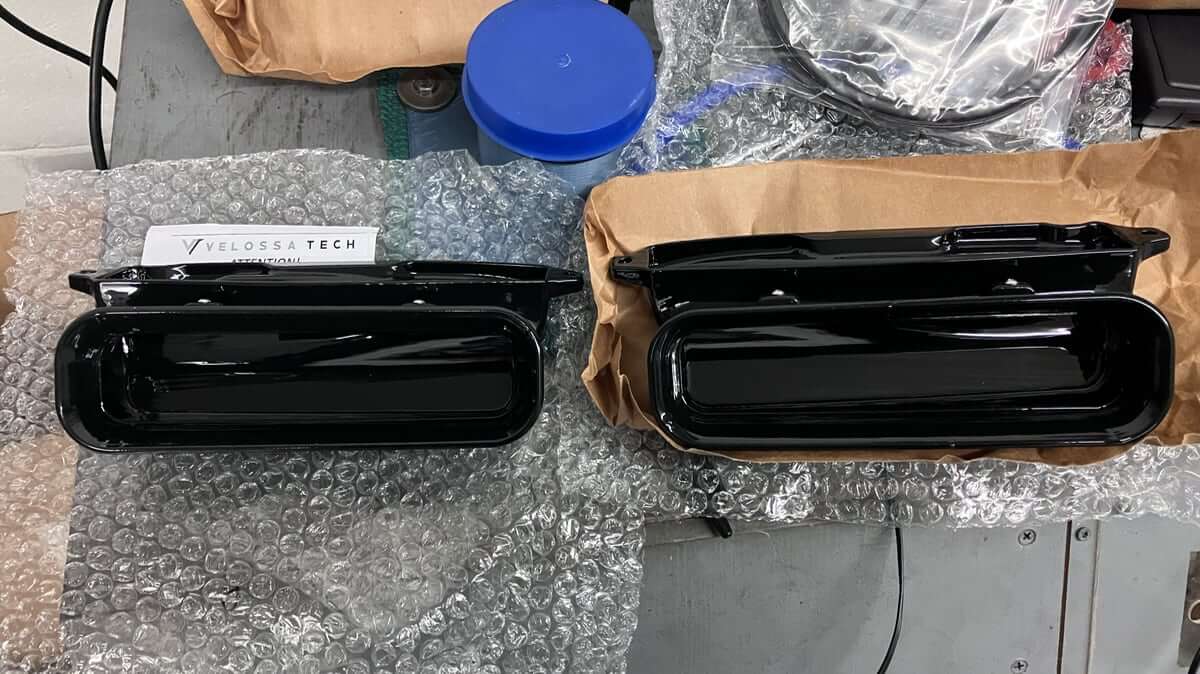
This is a situation some of us may have encountered: the product advertising claims performance gains, and the vendor’s website shows charts with gains. You then buy, install, and test it, and the data confirms it made no difference.
Then you try to return it, and the company tells you that because the product has been installed and used, they can’t accept it back. This happened to me with the Velossa Tech Big Mouth Ram Air Intake Snorkel for the Mk7 GTI.
What followed was an extended technical exchange that I will be writing about separately; this post will focus on the return situation, as other consumers who purchase aftermarket parts may also find themselves in a situation where the product fails to deliver the advertised benefits and the company is reluctant to accept a return.
Return effort:
After conducting a test of the Velossa Tech Big Mouth dual intake snorkels on my IS48-equipped Mk7 GTI, I found no measurable performance improvement across any metric — acceleration time, peak wheel horsepower, wastegate duty cycle, estimated air mass, or intake air temperature. The full test results are documented in the linked article.
My initial return request was simple:
“Hi, I got around to installing the ram air intake snorkels on my Mk7 GTI and testing them but found they made no difference to the car’s performance. I’d like to return the product for a refund.”
The response from Velossa Tech’s customer service was polite, but firm:
“Our BIG MOUTH Ram Air Intake Snorkels provide both performance and aesthetic benefits, and often work best with a tune. They are designed and known to produce colder IATs, considerable gains in mass flow, and ultimately faster Dragy runs. That said, due to the fact that the product has been installed and used, we are unfortunately unable to accept the return in accordance with our company policy. We sincerely apologize for any inconvenience, and thank you for your understanding. If you have any further questions, please do not hesitate to ask.“
Velossa Tech Customer Support

This response contains two things that a buyer of performance parts should understand: a restatement of the advertising claims as a defense, and an appeal to a return policy as the final word. Neither of these is necessarily the end of the conversation.
“Installed and Used” Return Policy
Aftermarket performance vendors might have a return policy that excludes installed or used items. This is a reasonable policy; a used part can’t be easily resold as new, and vendors incur costs associated with returns.
However, there is an important distinction this policy does not override: a return policy cannot override a consumer’s right to remedy when the product was sold under false or misleading advertising claims.
The key question is not whether the product was installed. It is whether the consumer was induced to purchase the product based on specific, objective performance claims that the product failed to deliver. If the answer is yes, the fact of installation is irrelevant; the consumer installed the product in order to evaluate the advertised performance claims. Installation was not optional; it was the only way to test what was advertised.
In this case, the Velossa Tech product page specifically stated:
- “real performance gains“
- “proves measurable gains under consistent conditions“
- “rigorously tested“
- “considerable gains in mass flow“
These are objective claims, but a controlled test found no statistically significant improvement on any of them. The product was installed and tested specifically to evaluate those claims.
What Happened Next
After I pressed further and referenced the FTC’s substantiation requirements, the owner of Velossa Tech engaged personally and offered to accept the return. He also provided a detailed technical explanation for why my test may not have captured the product’s benefit — essentially arguing that the speed range I tested was too low to detect the claimed effect, and that my particular tune configuration may have masked any improvement in inlet pressure.
The Technical Explanation as a Return Condition
When a vendor responds to a return request with a detailed technical explanation of why the product “should” have worked under different conditions, it can come across as authoritative.
Here is what consumers should understand about this pattern:
An after-the-fact technical explanation of why your test was invalid is not a substitute for pre-publication substantiation. The FTC requires that the advertiser possess competent and reliable evidence supporting their claims before they are published, not that they be able to construct a plausible explanation for why a consumer’s test failed to replicate them.
If the product only works under specific conditions (high speeds, certain tune types), those conditions are material information that belongs in the advertising. The consumer who purchased the product had no reason to know about these requirements.
More importantly, the technical explanation does not change the consumer’s situation. The product was purchased based on specific advertising claims. If the claimed benefits are achievable only under conditions not disclosed in the advertising, the advertising was misleading, regardless of how compelling the physics sounds in hindsight.
You do not need to win the technical argument to have a valid return claim (although in this case, I was fine with engaging in one, which will be addressed in a separate post). The relevant question is not whether the product could work under different conditions. It is whether the product delivered what the advertising represented it would deliver to you, as a typical buyer, under typical conditions.
Who Should Pay Return Shipping?
The owner’s offer resolved the immediate dispute. But it included the condition: “You can ship the product back to us, and as long as you cover shipping, we can refund you.” This is worth examining because it reflects a pattern in vendor return negotiations that consumers should not simply accept.
When a return is initiated because a product failed to perform as advertised, the cost of that return is a consequence of the advertising, not of the consumer’s behavior. The consumer installed the product after purchasing it, based on the product’s performance claims. They tested it because testing was the only way to evaluate those claims. They are returning it because the product did not live up to its promise. At every step, the consumer did exactly what a reasonable buyer would do.
The FTC’s substantiation doctrine places the burden of having adequate evidence on the advertiser before the claim is made. A seller who publishes unsubstantiated performance claims and then asks the consumer to pay the cost of returning a product that didn’t perform as claimed is, in effect, shifting the cost of their own advertising failure onto the buyer.
What this means practically:
When a vendor offers a conditional return with customer-paid shipping, do not immediately accept these terms as final. A polite but direct response is appropriate:
“I appreciate your willingness to accept the return. However, I purchased the product based on performance claims that controlled testing has shown to be unsupported. The return shipping cost is a consequence of those claims not being met, not of any action on my part. I would ask that you provide a prepaid return label as part of the resolution.”
If the vendor declines to cover shipping, you have a choice: pay the shipping cost to recover the product’s full purchase price, or pursue alternative remedies — particularly a chargeback, where your credit card issuer may recover the full purchase price on your behalf without requiring you to return the item at your own cost.
In this case, Velossa Tech agreed to provide a return shipping label.
References:
This post is part of a series documenting the testing and evaluation of the Velossa Tech Big Mouth Ram Air Intake Snorkel for the Mk7 GTI. The full test methodology, data, and charts are available in the linked articles.
- Advertising review
- Product testing
- Technical exchange (In work)
Disclaimer:
Note: This post reflects the author’s personal experience and understanding of consumer protection principles. It does not constitute legal advice.